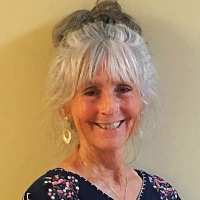
Therapist profile
Constance (Connie) Glass, LMHC
Licensed in Florida 20 years in practice Online sessions
LMHC in Florida - stress and addiction care
About Constance
Constance (Connie) Glass is a Florida LMHC with 20 years of clinical experience. She works with people facing stress, anxiety, addictions, trauma and abuse, depression, relationship and family concerns, grief, sleep problems, parenting strain, anger, bipolar disorder, ADHD, and related challenges. Sessions are offered in English and focused on practical ways to manage daily difficulties.
Connie typically uses straightforward, skill-based methods. She draws on Cognitive Behavioral Therapy (CBT) to help people notice unhelpful thoughts and try new, testable behaviors.
Background and approach
She also integrates client-centered listening, motivational interviewing, narrative approaches, mindfulness practices, and solution-focused ideas when those fit a person's goals. Her background includes long-term work with foster care populations, substance use and mental health settings, trauma and dissociation, domestic violence survivors, LGBTQ+ people including transgender individuals considering transition, and adoption-related issues.
That experience informs how she looks at patterns and safety when the topic is complex or layered. In sessions she emphasizes practical tools like cognitive reframing, brief behavioral experiments, motivational conversations around change, and using personal stories to reframe meaning. She often suggests short exercises between sessions such as readings or small practice tasks to build momentum.
People who prefer a direct, structured approach that also listens to personal history may find her style useful. To begin, prospective clients follow the site's steps to match and schedule an initial session.
What Constance works with
The areas Constance lists on their profile, in their own terms. If what you would like to work on is not on the list, it is fine to ask about it.
- Stress, Anxiety
- Addictions
- LGBT
- Trauma and abuse
- Depression
- Relationship issues
- Family conflicts
- Grief
- Sleeping disorders
- Parenting issues
- Anger management
- Bipolar disorder
- Coping with life changes
- Compassion fatigue
- ADHD
- Adoption and foster care
- Aging and geriatric issues
- Attachment issues
- BDSM, kink, and alternative sex culture
- Blended family issues
- Caregiver issues and stress
- Chronic pain, illness, and disability
- Co-morbidity
- Communication problems
- Disruptive Mood Dysregulation Disorder (DMDD)
- Dissociation
- Divorce and separation
- Domestic violence
- Drug and alcohol addiction
- Family of origin issues
- First responder issues
- Gender dysphoria
- Guilt and shame
- Hospice and end-of-life counseling
- Impulsivity
- Isolation / loneliness
- Veteran and Armed Forces Issues
- Mood disorders
- Polyamory / non-monogamous relationships
- Post-traumatic stress
- Self-harm
- Self-love
- Sexual assault and abuse
- Social anxiety and phobia
- Women's issues
- Workplace issues
- Young adult issues
Methods Constance lists
- Cognitive Behavioral Therapy (CBT)
- Client-Centered Therapy
- Mindfulness Therapy
- Motivational Interviewing
- Narrative Therapy
- Solution-Focused Therapy
- Trauma-Focused Therapy
Listing an approach is not evidence of training in it. This directory shows what each therapist names and does not check training records.
How her approaches translate to online sessions
Connie often uses Cognitive Behavioral Therapy to help people spot unhelpful thoughts and test small behavior changes. CBT sessions typically involve setting focused goals, trying short experiments between sessions, and reviewing what worked or didn’t. Client-Centered Therapy provides a listening-based balance where the therapist follows the person’s lead and clarifies what matters most to them. Mindfulness Therapy adds brief attention and grounding practices to reduce rumination and improve sleep or stress management.Deciding which approach to use is a shared process. During the first meetings she will discuss goals and preferences and then suggest a mix of methods that fit the person’s needs. That collaborative choice can change over time as skills are practiced and new issues emerge.
Confirm the specific session formats available before booking since the biography does not list them. Online work can make it easier to fit appointments into a busy week, allow shorter check-ins when needed, and remove travel time. Practical benefits include scheduling sessions around work or caregiving, using shorter phone or audio check-ins when video is difficult, and keeping a running focus on skills and short homework between meetings.
We will earn a commission if you sign up through our link, at no cost to you. It does not change what you pay or the order of the listings.
Questions people ask about Constance
What concerns does she address most often?
She works with stress, anxiety, addictions, trauma and abuse, depression, relationship and family issues, grief, sleep problems, parenting strain, anger, bipolar disorder, ADHD, and related problems.
How would you describe her therapeutic style?
Her approach is practical and skills-focused. She uses CBT techniques alongside client-centered listening, motivational interviewing, narrative work, and mindfulness tools.
What is her clinical background?
She has 20 years of experience working in foster care, substance use and mental health settings, trauma care, dissociation, domestic violence, LGBTQ+ work, and adoption-related issues.
What credentials and location are listed?
She is an LMHC licensed in Florida and practices from that state.
In which languages can sessions be held?
Sessions are offered in English.
Can international clients work with her?
She is not accepting international clients at this time.
How much do sessions cost?
Cost varies with location; sessions use a subscription that can be canceled at any time.
What do I do to get started?
Select the See online therapy options button, complete a short matching questionnaire, and schedule a first session.