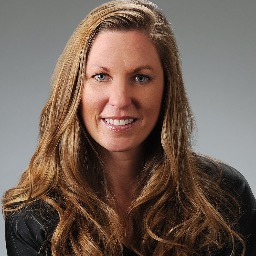
Therapist profile
Leslie Caulder-Richardson, LCMHC
Licensed in North Carolina 8 years in practice Online sessions
Licensed counselor - Anxiety and trauma
About Leslie
Leslie Caulder-Richardson is a Licensed Clinical Mental Health Counselor (LCMHC) in North Carolina with eight years of experience. She focuses on stress, anxiety, trauma and abuse, grief, bipolar disorder, and depression. She helps people with practical steps for coping and clearer day-to-day routines.
Her style is direct and structured, aimed at breaking problems into manageable parts. Leslie uses Cognitive Behavioral Therapy alongside Acceptance and Commitment Therapy and client-centered methods. Sessions often look at thoughts, behaviors, and small actions to test new responses.
Background and approach
Mindfulness and solution-focused techniques are added when helpful to build simple skills for emotion regulation and problem solving. She also addresses concerns such as abandonment and attachment issues, body image, blended family challenges, and communication problems. Health-related issues like chronic pain, illness, cancer, and disability are part of her focus as well.
Topics around kink, BDSM, and alternative sex culture are included when clients raise them. In practice she breaks larger goals into short tasks and measurable steps. Homework or brief exercises between sessions are common to track what works.
Conversations are practical: notice a thought, try a different action, and check the result. Leslie asks clients to be specific about what they want to change and to bring examples from daily life. Early sessions often map current routines and stress points.
From there she and the client choose techniques that match those needs.
What Leslie works with
The areas Leslie lists on their profile, in their own terms. If what you would like to work on is not on the list, it is fine to ask about it.
- Stress, Anxiety
- Trauma and abuse
- Grief
- Bipolar disorder
- Depression
- Abandonment
- Attachment issues
- BDSM, kink, and alternative sex culture
- Blended family issues
- Body image
- Cancer
- Chronic pain, illness, and disability
- Commitment issues
- Communication problems
- Divorce and separation
- Domestic violence
- Emptiness
- Family of origin issues
- Family problems
- Fatherhood issues
- Fertility issues
- First responder issues
- Forgiveness
- Hospice and end-of-life counseling
- Impulsivity
- Isolation / loneliness
- Life purpose
- Men's issues
- Midlife crisis
- Veteran and Armed Forces Issues
- Multicultural concerns
- Narcissism
- Obsessions, compulsions, and OCD
- Panic disorder and panic attacks
- Postpartum depression
- Post-traumatic stress
- Pregnancy and childbirth
- Process addiction (porn, exercise, gambling)
- Seasonal Affective Disorder (SAD)
- Self-harm
- Self-love
- Sex addiction
- Sexual assault and abuse
- Sexual dysfunction
- Sexuality
- Women's issues
- Workplace issues
- Young adult issues
Methods Leslie lists
- Cognitive Behavioral Therapy (CBT)
- Acceptance and Commitment Therapy (ACT)
- Client-Centered Therapy
- Mindfulness Therapy
- Solution-Focused Therapy
- Trauma-Focused Therapy
- Internal Family Systems
Listing an approach is not evidence of training in it. This directory shows what each therapist names and does not check training records.
How CBT, ACT and client-centered work online
Leslie often uses Cognitive Behavioral Therapy to identify unhelpful thoughts and test small behavior changes. CBT focuses on noticing thought patterns, trying different responses, and measuring what changes in mood or actions.She also draws on Acceptance and Commitment Therapy to help people notice difficult feelings and choose actions that match their values. Client-centered methods are used to keep the conversation focused on the client’s perspective and priorities while planning next steps.
Finding the right mix of approaches is part of the process. Leslie will work with each person to decide which methods fit their goals and situation. That choice is collaborative and can change over time as needs shift.
The practice offers online sessions; confirm current session options before booking. Online work can make it easier to fit appointments into a busy week, avoid travel time, and use shorter check-ins when schedules demand it. It also lets people use mindfulness or exposure exercises in their everyday settings while still getting support from a licensed professional.
We will earn a commission if you sign up through our link, at no cost to you. It does not change what you pay or the order of the listings.
Questions people ask about Leslie
What concerns does she address most often?
She works with stress, anxiety, trauma and abuse, grief, bipolar disorder, and depression, plus related issues like attachment, body image, and communication problems.
How does she typically work with clients?
Her approach is structured and practical, using short tasks and exercises to test new responses to thoughts and situations.
What is her professional background?
She has eight years of clinical experience and practices as an LCMHC in North Carolina.
Where is she based and licensed?
She is licensed in North Carolina as an NC LCMHC and provides services from that location.
Which languages are offered for sessions?
Sessions are offered in English.
Can people outside the United States work with her?
She does not accept international clients at this time.
How are sessions paid for and what does it cost?
Cost varies with location and sessions use a subscription model that can be canceled at any time.
How do I begin working with her?
Select the See online therapy options button, complete a short matching questionnaire, and then schedule a first session.