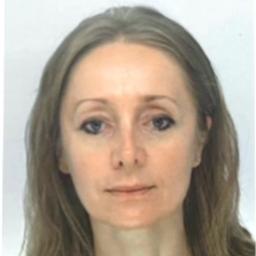
Therapist profile
Leslie Mulligan, LCMHC, LCPC
Licensed in Maine 24 years in practice Online sessions
LCMHC and LCPC - Mood and relationship concerns
About Leslie
Leslie Mulligan is an LCMHC and LCPC practicing in Maine with 24 years of experience. She works with people who face mood instability, relationship and intimacy problems, sleep and career stress, grief and bereavement, and challenges related to aging, sexuality, and life-stage transitions. Leslie commonly helps with anxiety, depression, ADHD concerns, addiction, trauma and abuse, and stress linked to health or caregiving.
She also supports people dealing with body image, codependency, commitment and communication problems, and the effects of divorce or domestic violence.
Background and approach
Sessions may address both practical coping skills and longer-term patterns of feeling and connection. Her approach draws on cognitive behavioral methods alongside attachment-based and client-centered ideas. She also uses elements of dialectical behavior therapy and emotionally-focused work when they fit the concern.
In practice this means noticing unhelpful thoughts and testing different responses, while also looking at how relationships and past attachments shape current reactions. Leslie describes her style as direct, present-focused, and interactive. She uses creative tools, mindfulness, and body-centered ideas when helpful.
Her background includes a decade providing trauma recovery services for military personnel, first responders, and related family members. Sessions are guided by the person’s goals and needs. Leslie speaks English and French and works with a wide age range.
People who prefer clear, structured methods alongside relational work may find her approach practical and down-to-earth.
What Leslie works with
The areas Leslie lists on their profile, in their own terms. If what you would like to work on is not on the list, it is fine to ask about it.
- Stress, Anxiety
- Relationship issues
- Trauma and abuse
- Self esteem
- Coping with life changes
- Addictions
- LGBT
- Family conflicts
- Grief
- Intimacy-related issues
- Eating disorders
- Sleeping disorders
- Parenting issues
- Anger management
- Career difficulties
- Bipolar disorder
- Depression
- Coaching
- Compassion fatigue
- ADHD
- Abandonment
- Aging and geriatric issues
- Attachment issues
- Blended family issues
- Body image
- Cancer
- Chronic pain, illness, and disability
- Codependency
- Commitment issues
- Communication problems
- Control issues
- Coping with natural or human-caused disaster
- Dissociation
- Divorce and separation
- Domestic violence
- Eating and food-related issues
- Emptiness
- Family of origin issues
- Family problems
- Fatherhood issues
- Forgiveness
- Guilt and shame
- Hospice and end-of-life counseling
- Impulsivity
- Infidelity
- Isolation / loneliness
- Jealousy
- Life purpose
- Midlife crisis
- Veteran and Armed Forces Issues
- Money and financial issues
- Mood disorders
- Multicultural concerns
- Panic disorder and panic attacks
- Phobias
- Postpartum depression
- Post-traumatic stress
- Prejudice and discrimination
- Seasonal Affective Disorder (SAD)
- Self-love
- Sexual assault and abuse
- Sexuality
- Social anxiety and phobia
- Women's issues
- Workplace issues
Methods Leslie lists
- Cognitive Behavioral Therapy (CBT)
- Attachment-Based Therapy
- Client-Centered Therapy
- Dialectical Behavior Therapy (DBT)
- Emotionally-Focused Therapy (EFT)
- Existential Therapy
- Gottman Method
- Hypnotherapy
- Jungian Therapy
- Mindfulness Therapy
- Motivational Interviewing
- Narrative Therapy
- Psychodynamic Therapy
- Solution-Focused Therapy
- Somatic Therapy
- Trauma-Focused Therapy
Listing an approach is not evidence of training in it. This directory shows what each therapist names and does not check training records.
How Leslie integrates approaches in online sessions
Leslie uses Cognitive Behavioral Therapy to help people notice unhelpful thoughts and test practical ways of responding. CBT in her work often focuses on sleep, anxiety, mood, and habits that interfere with daily life.She also draws on attachment-based ideas to look at relationship patterns and how past connections shape current reactions. Client-centered methods guide sessions so the person's concerns and goals shape the focus and pacing.
Choosing an approach is collaborative. Leslie will work with the person to identify which methods match their goals and preferences, and she will adjust over time based on what helps. That collaborative process is part of early sessions.
Confirm the available session formats before booking, as the profile does not specify them here. Online work can make it easier to fit sessions into a weekday break, avoid travel time, or choose a shorter check-in when schedules are tight. If a person needs to manage bandwidth or prefers not to be on camera, those practical considerations can be discussed when arranging sessions.
We will earn a commission if you sign up through our link, at no cost to you. It does not change what you pay or the order of the listings.
Questions people ask about Leslie
What concerns does she address most often?
She commonly helps with anxiety, depression, trauma and abuse, relationship and intimacy problems, sleep and career stress, addiction, and ADHD-related difficulties.
How would you describe her therapeutic style?
Her style is direct, present-focused, and interactive. She blends structured, skills-based work with relational approaches.
How long has she been practicing?
She has 24 years of clinical experience, including a decade providing trauma recovery services for military members and first responders.
What are her credentials and where is she based?
She holds NC LCMHC and ME LCPC credentials and is located in Maine.
Which languages are offered during sessions?
Sessions are offered in English and French.
Can people outside the United States work with her?
She accepts international clients, so cross-border sessions are supported.
How are sessions arranged and what do they cost?
Cost varies with location and sessions use a subscription model that can be canceled at any time.
How do I get started with a first session?
Click the See online therapy options button, complete a short matching questionnaire, and schedule a first session.