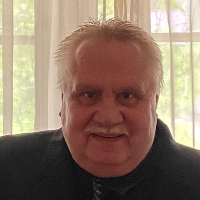
Therapist profile
Sarah Roe, LCSW
Licensed in North Carolina 34 years in practice Online sessions
Licensed Clinical Social Worker - Anxiety and Addictions
About Sarah
Sarah Roe is a Licensed Clinical Social Worker (LCSW) in North Carolina with 34 years of experience in behavioral health. She works with people who are facing stress, anxiety, depression, addictions, trauma and abuse, and relationship and parenting concerns. She also assists those coping with life changes, grief, intimacy-related issues, self-esteem, career questions, ADHD, and compassion fatigue.
Her background includes work in community mental health centers and independent practice. That variety means she has seen many presentations and practical problems over decades.
Background and approach
Sarah uses clear, skills-based approaches rather than long theory talks. Sessions focus on identifying what is getting in the way and trying concrete, manageable changes. She makes use of methods such as Cognitive Behavioral Therapy, Acceptance and Commitment Therapy, Dialectical Behavior Therapy, Attachment-Based Therapy, and Client-Centered Therapy.
In practice this looks like noticing unhelpful thoughts and patterns, learning specific coping skills, and experimenting with different ways of responding to stress and relationships. Sarah describes therapy as collaborative. She helps people recognize where current habits started and what might work better now.
She emphasizes skill building, steady problem solving, and practical steps people can use between sessions. Her approach aims to help people gain more control over mood, reactions, and day-to-day functioning. Sessions typically address concrete problems first, then build toward longer-term patterns such as attachment or communication issues.
Her style is straightforward and focused on usable tools and strategies.
What Sarah works with
The areas Sarah lists on their profile, in their own terms. If what you would like to work on is not on the list, it is fine to ask about it.
- Stress, Anxiety
- Addictions
- Trauma and abuse
- Depression
- Coping with life changes
- LGBT
- Relationship issues
- Family conflicts
- Grief
- Intimacy-related issues
- Parenting issues
- Anger management
- Self esteem
- Career difficulties
- Bipolar disorder
- Compassion fatigue
- ADHD
- Abandonment
- Aging and geriatric issues
- Attachment issues
- Autism and Asperger Syndrome
- Body image
- Caregiver issues and stress
- Chronic pain, illness, and disability
- Co-morbidity
- Codependency
- Commitment issues
- Communication problems
- Control issues
- Dissociation
- Divorce and separation
- Domestic violence
- Drug and alcohol addiction
- Emptiness
- Family of origin issues
- Family problems
- Fatherhood issues
- First responder issues
- Forgiveness
- Gender dysphoria
- Guilt and shame
- Impulsivity
- Infidelity
- Isolation / loneliness
- Jealousy
- Life purpose
- Midlife crisis
- Veteran and Armed Forces Issues
- Mood disorders
- Multicultural concerns
- Narcissism
- Obsessions, compulsions, and OCD
- Panic disorder and panic attacks
- Paranoia
- Personality disorders
- Polyamory / non-monogamous relationships
- Postpartum depression
- Post-traumatic stress
- Pregnancy and childbirth
- Prejudice and discrimination
- Process addiction (porn, exercise, gambling)
- Seasonal Affective Disorder (SAD)
- Self-harm
- Self-love
- Sex addiction
- Sexual assault and abuse
- Sexuality
- Social anxiety and phobia
- Somatization
- Women's issues
- Young adult issues
Methods Sarah lists
- Cognitive Behavioral Therapy (CBT)
- Acceptance and Commitment Therapy (ACT)
- Attachment-Based Therapy
- Client-Centered Therapy
- Dialectical Behavior Therapy (DBT)
- Mindfulness Therapy
- Motivational Interviewing
- Narrative Therapy
- Psychodynamic Therapy
- Solution-Focused Therapy
- Trauma-Focused Therapy
Listing an approach is not evidence of training in it. This directory shows what each therapist names and does not check training records.
How Sarah uses CBT, ACT, and attachment work in online sessions
CBT, or Cognitive Behavioral Therapy, focuses on identifying unhelpful thoughts and testing practical alternatives. It aims to reduce avoidance and change patterns that keep anxiety or low mood going. ACT, Acceptance and Commitment Therapy, emphasizes noticing difficult thoughts and feelings without getting stuck in them while choosing actions that align with personal values. Attachment-Based Therapy looks at patterns in close relationships and how early connections affect current reactions and trust.Choosing an approach is part of the work. Sarah will collaborate with each person to decide which methods fit their goals and preferences. That might mean starting with CBT tools for immediate symptom relief, then using attachment work to address longer-term relationship patterns, or mixing ACT skills where acceptance and values help guide actions.
The profile does not list specific online formats, so please confirm current session options before booking. Online work can make it easier to fit sessions into a busy life - shorter check-ins can be scheduled around work breaks, and not needing travel saves time. It also allows steady practice of new skills between sessions and keeps continuity when life circumstances change. Licensed professionals can tailor session length and focus to practical goals and everyday routines.
We will earn a commission if you sign up through our link, at no cost to you. It does not change what you pay or the order of the listings.
Questions people ask about Sarah
What concerns does she commonly address?
She works with stress, anxiety, depression, addictions, trauma and abuse, relationship and parenting concerns, grief, and related issues listed on her profile.
What is her therapeutic style?
She uses practical, skills-based work with clear exercises. Sessions focus on noticing unhelpful thoughts and trying different responses.
How long has she been practicing?
She has 34 years of experience in behavioral health across community mental health and independent practice settings.
What are her credentials and where is she based?
She is an LCSW licensed in North Carolina and practices from that state.
Which languages are sessions offered in?
Sessions are offered in English.
Does she accept clients outside the United States?
She does not accept international clients.
What session formats are available?
Session formats are not specified in the profile; please confirm current session options before booking.
How are fees handled and how do I begin?
Cost varies with location and sessions use a subscription that can be canceled at any time. To start, select the See online therapy options button, complete the short matching questionnaire, and schedule a first session.