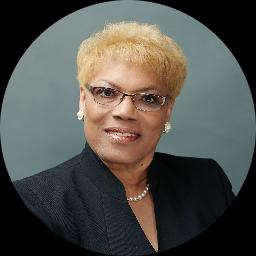
Therapist profile
Scotty Enyart, LCSW
Licensed in California 15 years in practice Online sessions
LCSW - stress and relationship concerns
About Scotty
Scotty Enyart is a Licensed Clinical Social Worker (LCSW) practicing in California with 15 years of experience. He helps people manage stress, anxiety, relationship concerns, trauma and abuse, depression, and coping with life changes. Scotty works with individuals who want practical tools and clearer thinking when problems feel overwhelming.
He uses straightforward conversation and structured methods to identify thoughts and habits that keep problems going. Sessions focus on small experiments and skills people can try between meetings.
Background and approach
Scotty draws on Cognitive Behavioral Therapy (CBT) alongside acceptance-based and attachment-informed ideas to address emotions, patterns, and choices. Scotty pays attention to how past relationships affect current reactions and to how daily habits shape mood. He helps people notice unhelpful thinking, test new behaviors, and track what works.
For someone dealing with abandonment, attachment issues, or family-of-origin wounds, this can mean mapping patterns and practicing different responses. He also works with concerns such as avoidant personality tendencies, communication problems, codependency, and caregiver stress. For issues like chronic pain, illness, body image, or eating-related problems, sessions blend skill practice with acceptance and behavior-focused steps.
The aim is clear: find concrete ways to reduce overwhelming feelings and increase workable choices. Scotty practices in English and accepts international clients. Before booking, confirm current session formats and scheduling details so arrangements fit the person's needs.
What Scotty works with
The areas Scotty lists on their profile, in their own terms. If what you would like to work on is not on the list, it is fine to ask about it.
- Stress, Anxiety
- Relationship issues
- Trauma and abuse
- Depression
- Coping with life changes
- Abandonment
- Attachment issues
- Avoidant personality
- Blended family issues
- Body image
- Caregiver issues and stress
- Chronic pain, illness, and disability
- Codependency
- Commitment issues
- Communication problems
- Control issues
- Divorce and separation
- Eating and food-related issues
- Emptiness
- Family of origin issues
- Family problems
- Fatherhood issues
- Fertility issues
- Forgiveness
- Guilt and shame
- Impulsivity
- Isolation / loneliness
- Jealousy
- Life purpose
- Midlife crisis
- Money and financial issues
- Mood disorders
- Multicultural concerns
- Obsessions, compulsions, and OCD
- Panic disorder and panic attacks
- Phobias
- Post-traumatic stress
- Process addiction (porn, exercise, gambling)
- Seasonal Affective Disorder (SAD)
- Self-love
- Sex addiction
- Sexual dysfunction
- Sexuality
- Social anxiety and phobia
- Somatization
- Trichotillomania
Methods Scotty lists
- Cognitive Behavioral Therapy (CBT)
- Acceptance and Commitment Therapy (ACT)
- Attachment-Based Therapy
- Client-Centered Therapy
- Dialectical Behavior Therapy (DBT)
- Emotionally-Focused Therapy (EFT)
- Existential Therapy
- Gottman Method
- Imago Relationship Therapy
- Jungian Therapy
- Mindfulness Therapy
- Motivational Interviewing
- Narrative Therapy
- Psychodynamic Therapy
- Solution-Focused Therapy
- Somatic Therapy
- Trauma-Focused Therapy
- Internal Family Systems
- Systemic Therapy
Listing an approach is not evidence of training in it. This directory shows what each therapist names and does not check training records.
How therapy approaches translate to online work
Scotty commonly uses Cognitive Behavioral Therapy (CBT) and Acceptance and Commitment Therapy (ACT) in his work. CBT focuses on spotting unhelpful thoughts and testing alternative actions to change mood and behavior. ACT emphasizes noticing difficult feelings without trying to eliminate them and committing to actions that align with personal values.He also brings an attachment-informed perspective that looks at how early relationship patterns shape current responses. That view helps when the main issue involves trust, abandonment worries, or repeated relationship patterns. Deciding which approach to use is collaborative; the therapist and client review the presenting problem, try methods, and adjust based on what fits the client's goals and preferences.
The biography does not specify which online session formats Scotty uses, so confirm available formats before booking. Online sessions can make it easier to fit therapy into a busy life - for example by removing travel time, allowing shorter check-ins during a lunch break, or reducing the need to be on camera if that helps focus. Licensed professionals can adapt exercises and between-session tasks for remote work to keep treatment focused and practical.
We will earn a commission if you sign up through our link, at no cost to you. It does not change what you pay or the order of the listings.
Questions people ask about Scotty
What kinds of problems does he usually address?
He works with stress, anxiety, relationship concerns, trauma and abuse, depression, and coping with life changes. He also focuses on related issues such as abandonment, attachment problems, and communication difficulties.
How would he describe his therapeutic style?
He uses structured, practical approaches that highlight thoughts and behaviors to try out different responses. Sessions include skill practice and small experiments to test what helps between meetings.
How much experience does he bring?
He has 15 years of professional experience working with a range of emotional and relational concerns in California.
What are his credentials and where is he based?
He is a Licensed Clinical Social Worker (LCSW) licensed in California and practices there.
Which languages are used in sessions and can people outside the US work with him?
Sessions are offered in English and he accepts international clients.
What session formats are available?
The original biography does not list specific session formats; please confirm current session options before booking.
How are costs handled?
Cost varies with location and sessions use a subscription model that can be canceled at any time.
What are the first steps to begin working with him?
Select the See online therapy options button, complete a short matching questionnaire, and schedule a first session.